Italian cooperation and the Emilia-Romagna Region invest in a new training course to increase the quality of agricultural production in Albania.
An innovative post-secondary vet path for the supervision of quality in agriculture was born within the technical assistance in favor of the Albanian Ministry of Economy by a network of Emilia-Romagna training bodies (Ifoa, Aeca and Serinar) in collaboration with the Albanian National Agency for Qualifications.
The new training course will be made available to graduates from Albanian agricultural institutes and to those who hold, in addition to a secondary qualification, specific skills acquired in the agricultural sector in Albanian companies.
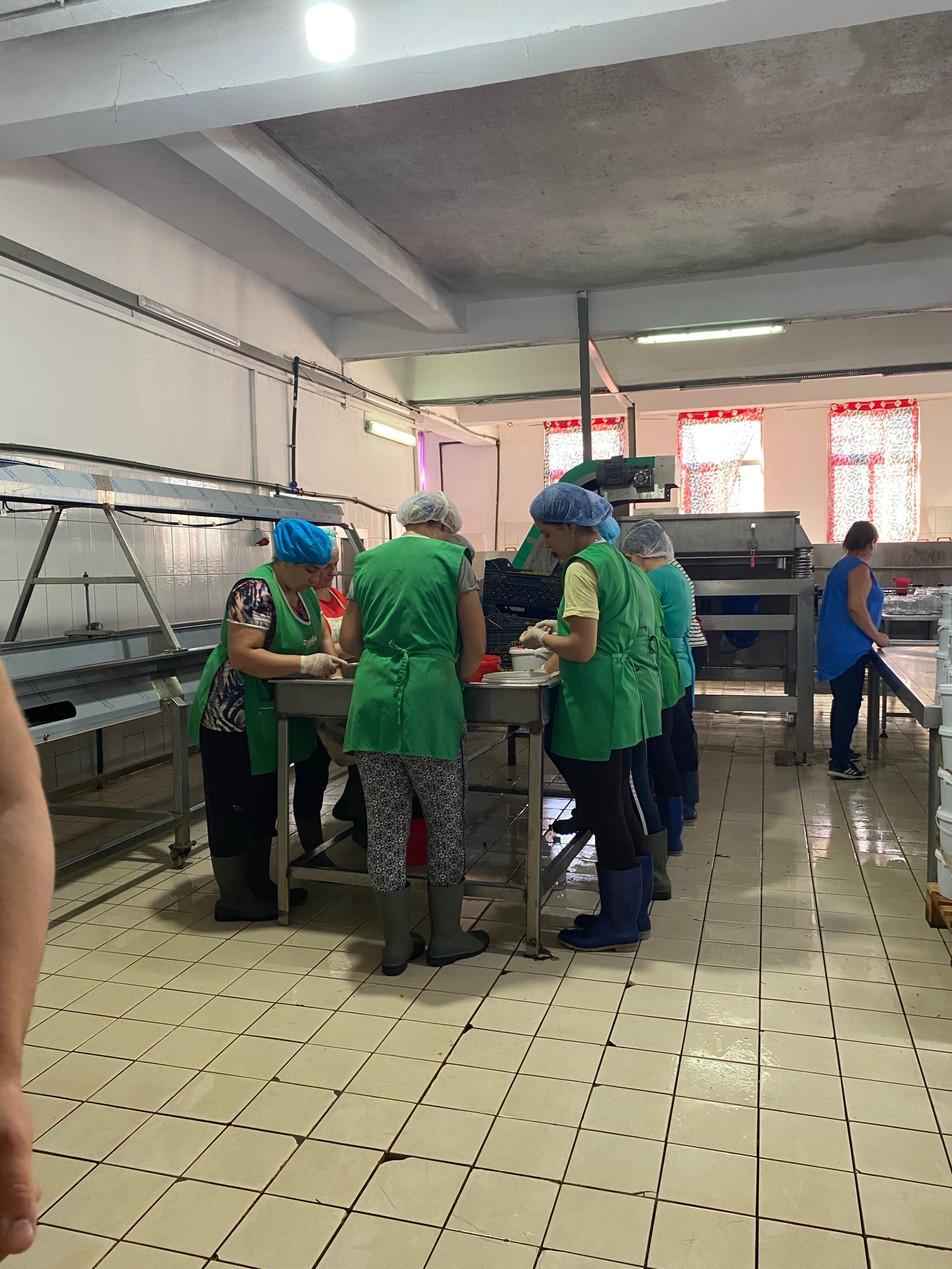
The training course includes almost 1000 hours of theory and practice and various modules that will allow the generation of knowledge and skills for quality management, especially in the post-harvest phases.
In a historical phase of re-evaluation of the strategic proximity of supply chains, the agrifood sector is not exempt from considerations of reducing risks lo related to climate change, extreme events and above all labor shortages.
Investing in skills on a transnational scale is, moreover, a theme that has become crucial with the increase in manpower needs in Italy, in particular for the fruit and vegetable supply chains.
Then there is a theme of cooperation for raising the skills of neighboring countries included, as in the case of Albania, in a European macro-regional development strategy.
The primary food production and processing sector, together with forestry and fishing, continue to represent a high percentage of the GDP and workforce in Albania (40% of workers) and offer enormous potential for sustainable economic development.
The challenge to be won for Albania and the Western Balkans, after the start of official negotiations for accession to the EU, is to start a phase of development both in the technological field and in the agri-food supply chains also to counter the exodus of young people towards abroad. Despite having a rich base of natural resources, Albania is characterized by small farms, low labor productivity and reduced yields, poor technologies and the persistence of subsistence agriculture. There is a need for significant investments, also starting from skills, to guarantee food safety, animal welfare and the transition towards sustainable food systems, an aspect which is of increasing importance in view of the necessary alignment with the acquis of the on food safety and with the EU’s Farm to Fork strategy.
Finally, it should not be underestimated that there is an investment opportunity for Italian producers who could benefit from an increase in skills in terms of safety and quality in Albanian agricultural production. The Mediterranean basin and the Western Balkans can offer Italian agrifood supply chains an investment opportunity for fruit and vegetable crops that have lost production capacity and yield in recent years.
The innovative training course was born within the “Vet through innovation” program of the Italian cooperation which sees the Emilia-Romagna Region committed to the launch of the first multifunctional center for agricultural training in Albania at the historic technical institute of Fier. The route was also designed in collaboration with the Agricultural University of Tirana which in April 2023 signed a cooperation agreement with the Department of Agri-food Sciences and Technologies of the University of Bologna.
A new agriculture postsecondary vet path for quality manager in fruits and vegetables value chain in Albania
 pemaproject.org